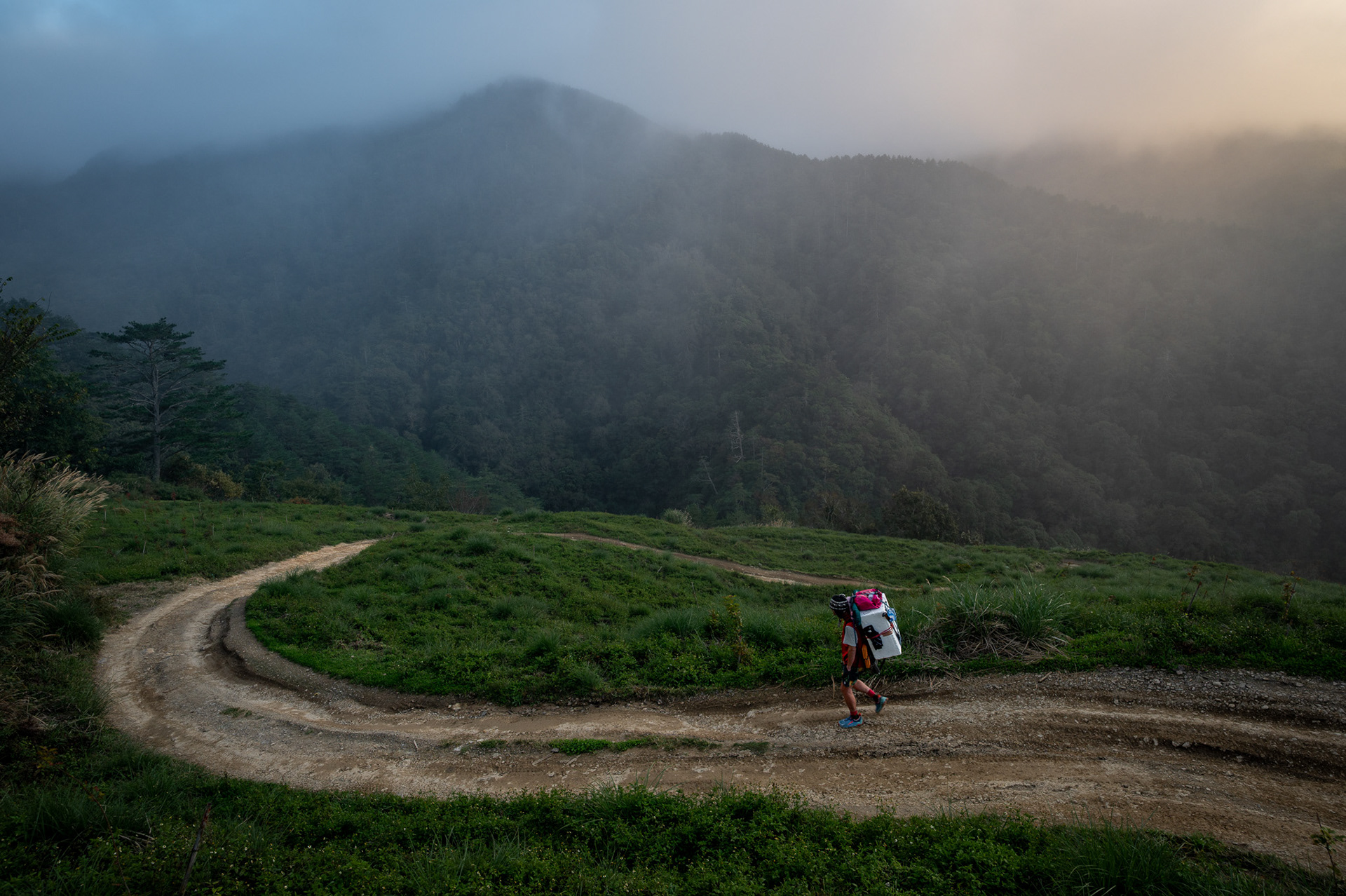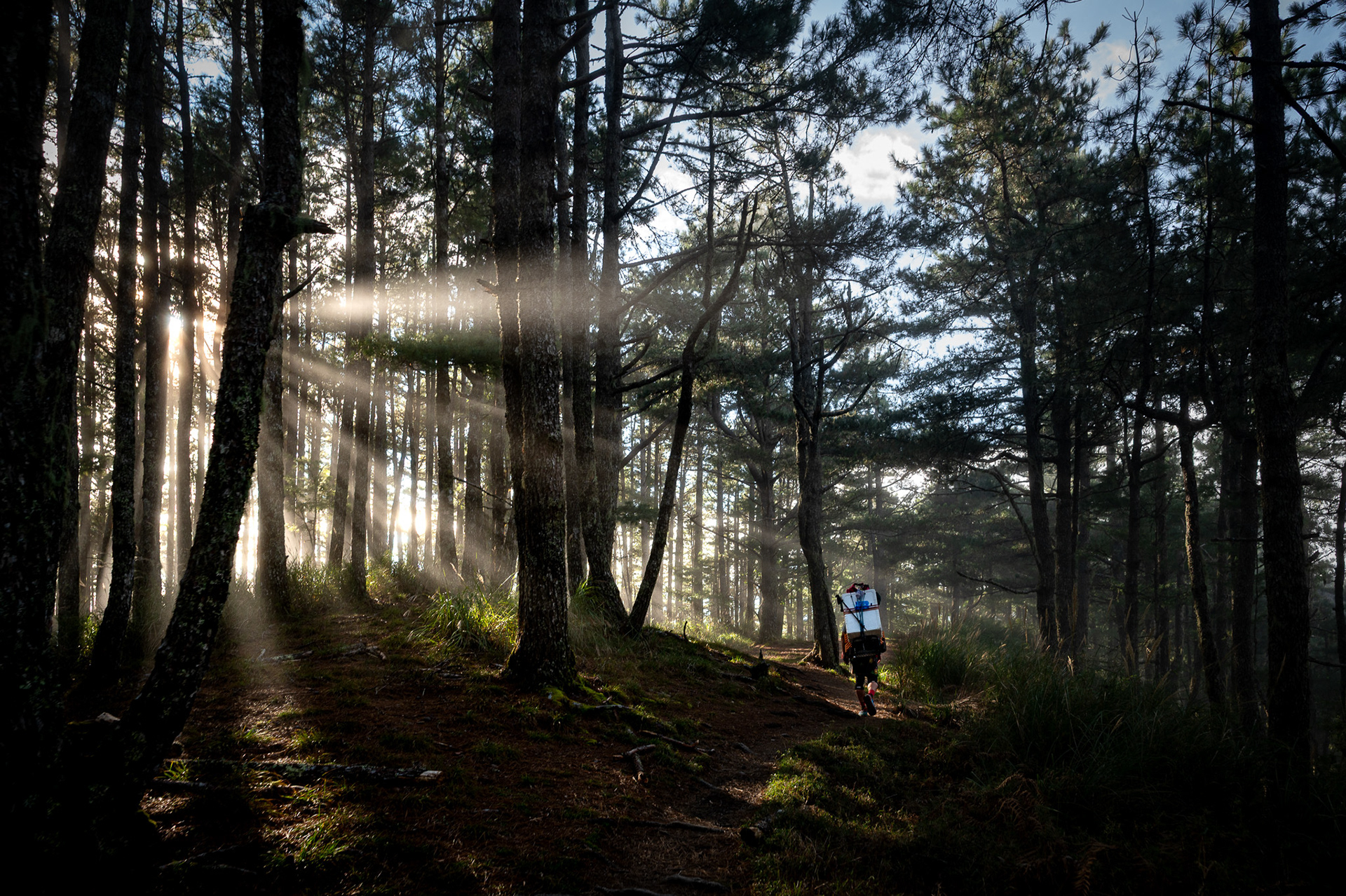
What they carry on their backs is not just gear, but the safety of everyone on the mountain.
Long before dawn breaks over the ridges of the Central Mountain Range, the alpine porters are already on the move, ahead of the rest of the team. Packed inside their oversized rucksacks are gas canisters, fresh ingredients, and tents but also the heavy responsibility of ensuring the entire expedition returns home safely. In the high mountains of Taiwan, these porters are far from mere supporting characters; they are the invisible backbone that sustains the island's entire mountaineering industry.
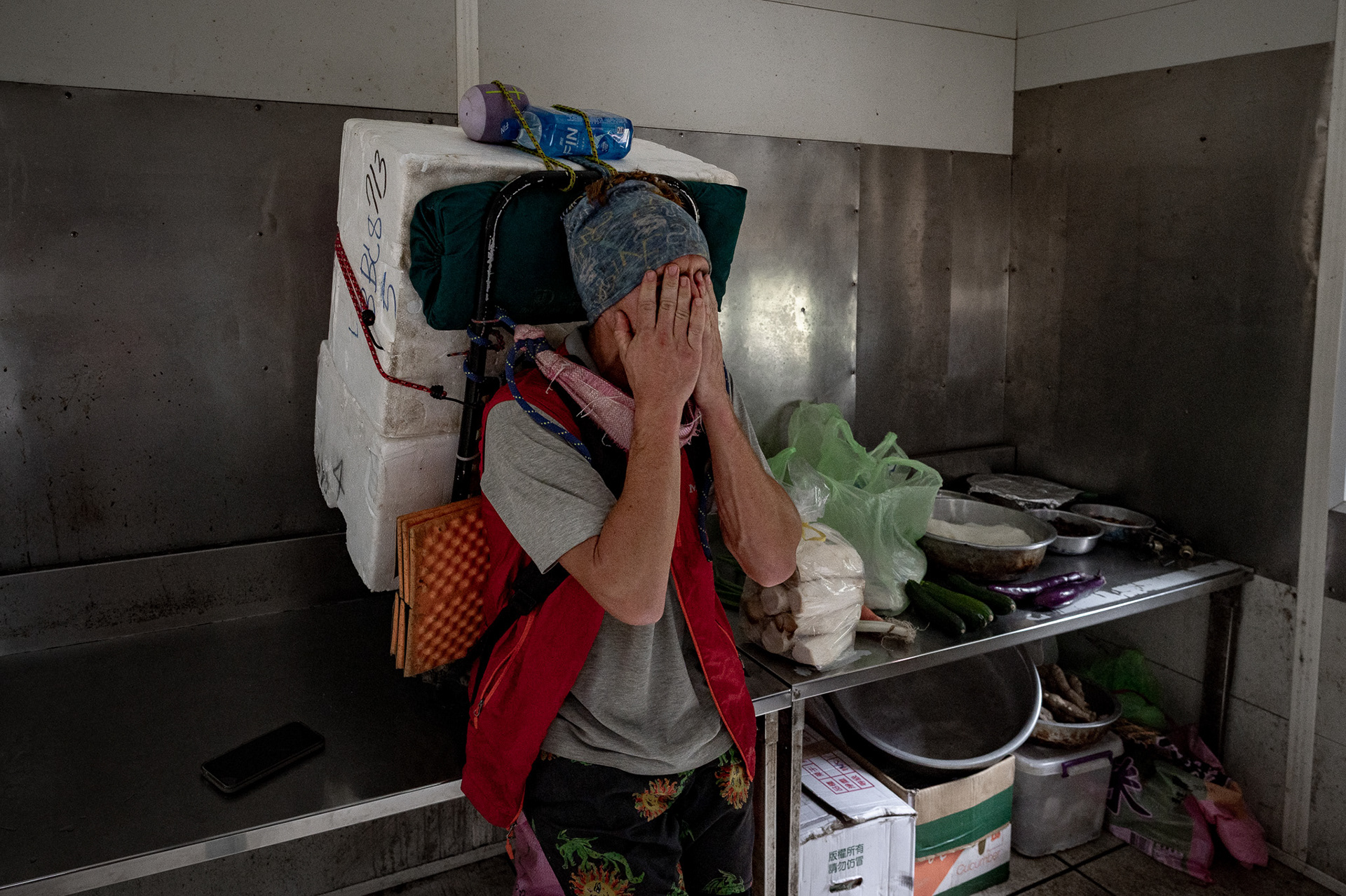
Among them is A-Shan, currently the only full-time foreign alpine porter in Taiwan. Hailing from Ireland, he has built a life here, marrying and raising a family. Yet, deep within these peaks, he has also witnessed how a profession originally rooted in expertise and mutual trust is being pushed to the frontlines of a highly commercialized service industry all while lacking institutional protections.
A-Shan’s journey began at a young age, encouraged by his father to understand the world through his own two feet. At 17, he stepped into Thailand for the first time; the cultural shift from Europe to Asia made him realize just how vast the world was. To fulfill his dream of traveling the globe, he chose the most budget-friendly and intimate way to connect with the land bikepacking. Over two years, he pedaled through 28 countries, covering 25,000 kilometers, before finally arriving in Taiwan.
"I originally planned to stay for just a month," A-Shan recalls. That month turned into three, and eventually, into a home. He was captivated by the pace of life, the warmth of the people, and the local lifestyle. A friend later invited him on a hike, marking his first real foray into Taiwan’s high mountains. He fell in love with the wilderness instantly.
It was also on the trails that he first encountered the world of alpine porters. At the time, A-Shan was looking for work, and a porter he met asked if he wanted to give it a try. Since then, A-Shan’s life shifted from backpacking across the globe to carrying the weight of an entire expedition, trekking back and forth through the high peaks of Taiwan.
揹在身上的,不只是裝備,還有所有人的安全。
清晨的中央山脈稜線上,協作員的腳步總比隊伍更早啟程。背包裡裝的,除了瓦斯桶、食材與帳篷,還有行程能否安全完成的重責大任。在台灣高山,協作不是配角,而是撐起整個登山產業運作的隱形骨架。
阿山,是目前台灣唯一的全職外籍高山協作員。他來自愛爾蘭,卻在這座島嶼成家、生子,也在山巒裡看見,一個原本以專業、互信為基礎的工作,如何被推向高度服務化、卻缺乏制度保障的前線。
阿山的旅程從很小就開始了,因為他的父親鼓勵他,用雙腳直接認識世界。17 歲那年,他第一次踏進泰國;從歐洲進入亞洲的文化衝擊,讓他意識到世界比想像更大。為了完成環遊世界的夢想,他選擇最省錢、也最貼近土地的方式 -單車旅行。兩年之間,他穿越 28 個國家,騎行 25,000 公里,最終抵達台灣。
「原本只打算待一個月」,阿山說。那個月,變成三個月;最後變成一個家。他被這裡的節奏、人情與生活方式留下。某次朋友邀他上山,他第一次真正走進台灣高山,從此愛上山林。
也是在山上,他第一次接觸到高山協作。當時的他正在找工作,認識的協作員問他要不要試試看。於是,阿山的人生,從揹著背包走世界,轉為揹著一整支隊伍的裝備,在台灣的高山間來回穿梭。

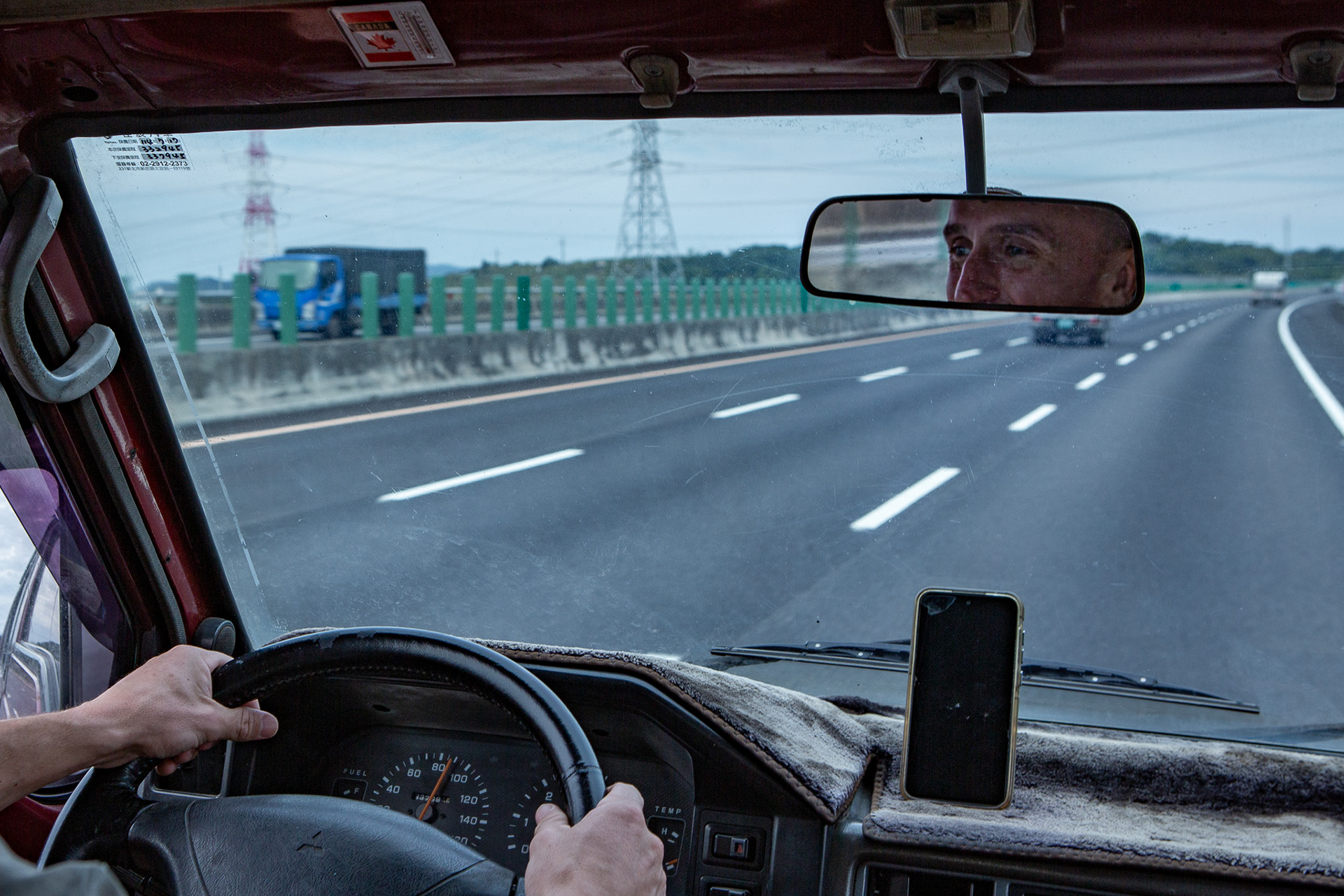
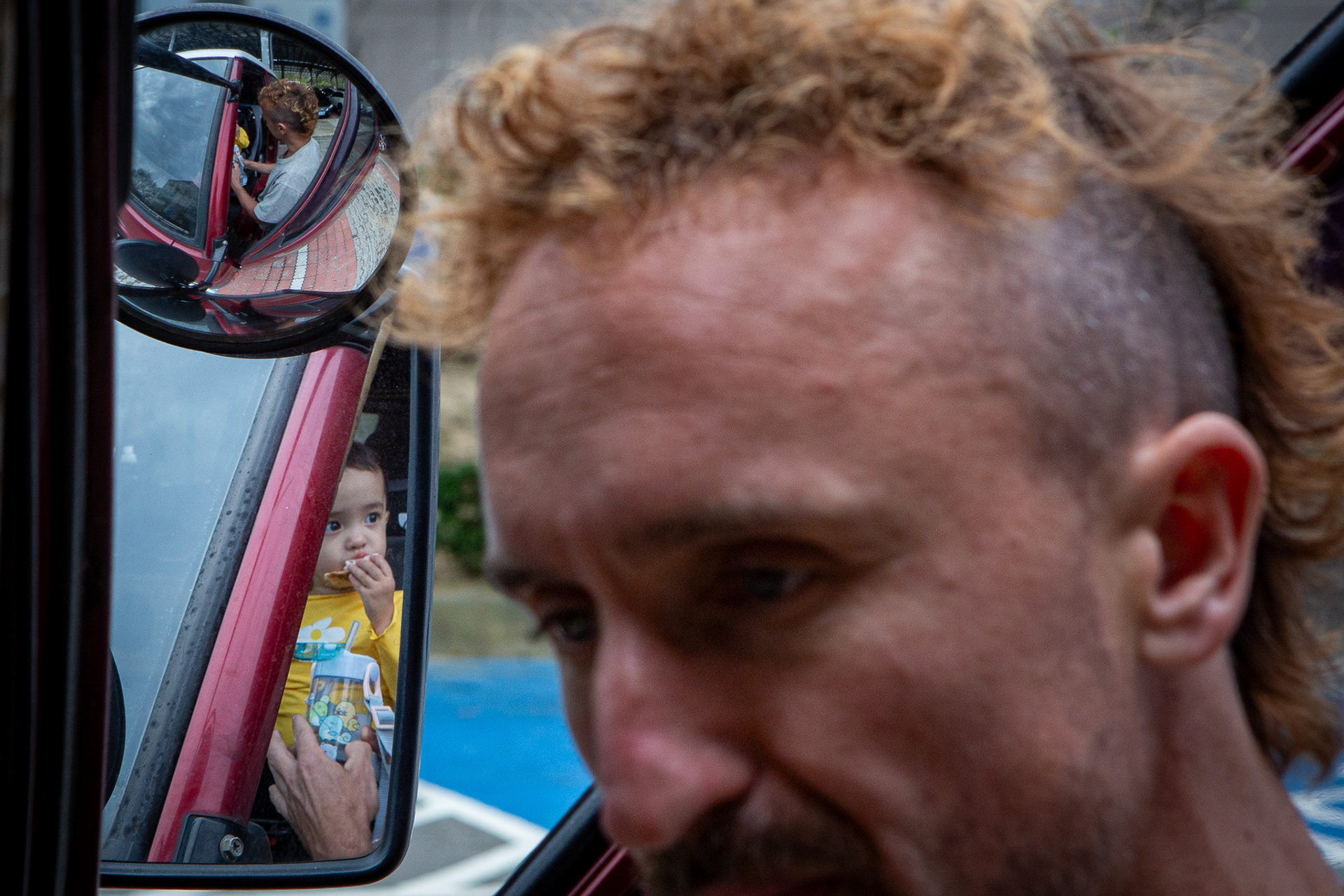
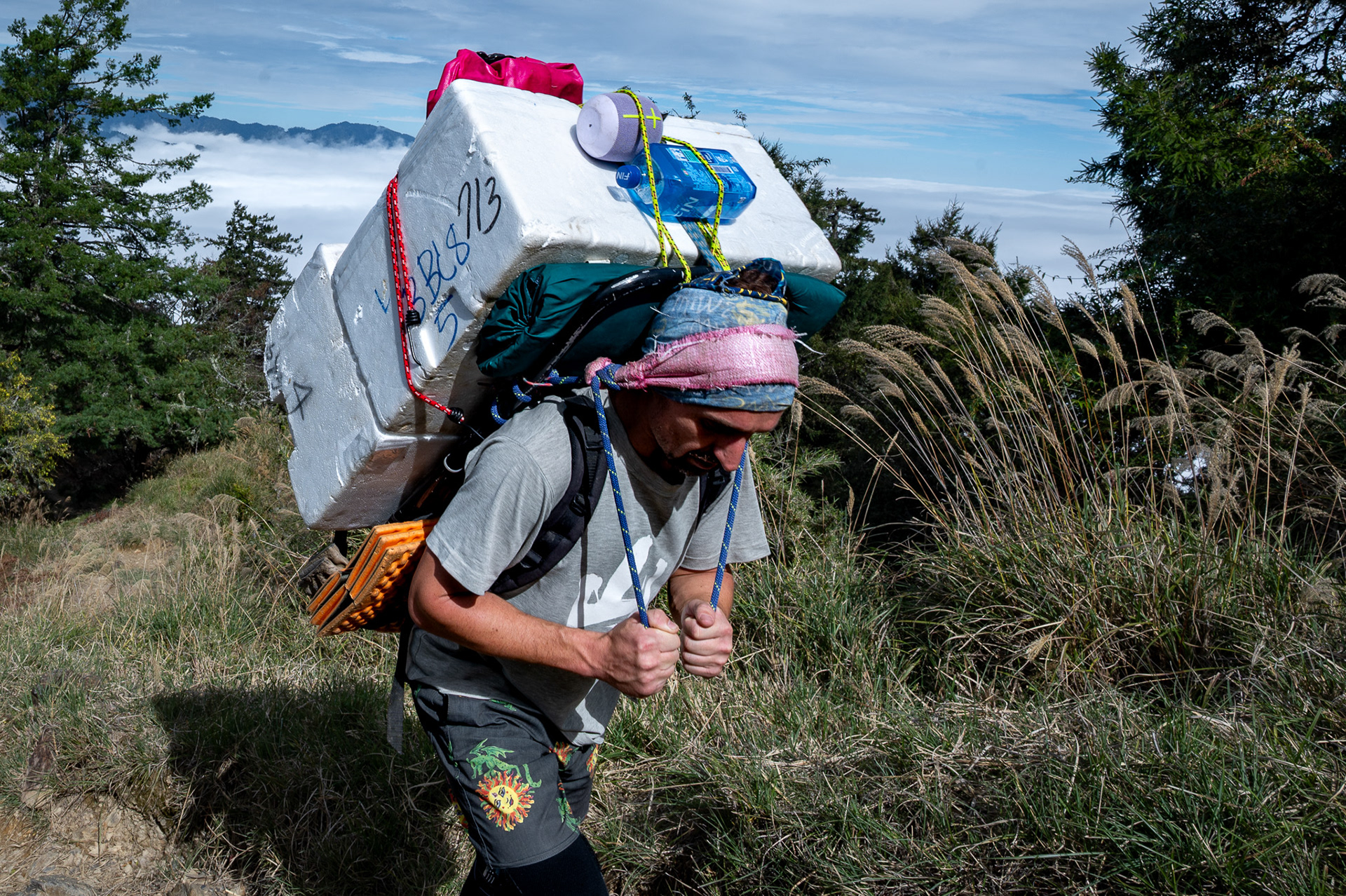
Alpine porterage is a job of high risks and high rewards, yet it remains profoundly unstable. The weather dictates the schedule, while ambiguous labor relationships amplify the inherent dangers and peril is never more than a step behind.
The most unforgettable ordeal for A-Shan was a 31-person expedition along the South Third Section of the Central Mountain Range; he describes the journey as "a battle." After a heavy snowfall in the mountains, team members began falling ill and suffering injuries one after another. One climber fell, sustaining a puncture wound to the chin, while others found themselves unable to navigate the icy terrain. Ultimately, a rescue helicopter evacuated 24 climbers. The seven who were left behind were all porters and A-Shan was one of them.
The issue was not merely the weather, but a structural imbalance. The expedition leader was inexperienced yet led dozens of climbers single-handedly. With limited knowledge of the route, the leader relied entirely on the porters, effectively turning them into "mountaineering consultants" on the ground. On the fourth day, as heavy snow began to fall upon their arrival at the Danda River Source Campsite, A-Shan advised the team to hold their position and wait for the snow to melt before retreating. The leader, however, insisted on pushing forward, a decision that ultimately led to injuries.
What was even more disheartening was that when the emergency call was placed to rescue services, the porters were not even listed as members of the expedition. It was only later that those seven names were retroactively added. Because the helicopter's window of operation was strictly limited, it could only airlift the climbers, leaving the porters to make their own descent on foot.
"At that moment, it became crystal clear to me," A-Shan said. "Porters were not seen as teammates. We were treated as mere equipment."
高山協作,是一份高風險、高報酬,卻極度不穩定的工作。天氣決定行程,模糊的勞動關係放大風險;而危險,始終跟在身後。
最讓阿山難忘的,是一支 31 人的南三段隊伍;他以「戰役」形容那段行程。山區下雪後,隊員陸續出現不適,有人跌倒,下巴穿刺傷,無法在結冰地形行走,最終由直升機撤離 24 名山友。被留下的 7 人,全是協作,阿山就在其中。
問題並不只是天氣,而是結構性的失衡。領隊經驗不足,卻一人帶領數十名隊員,對路線掌握有限,只能全面仰賴協作,讓他們在實務上成為「登山顧問」。第四天抵達丹大溪源營地後開始下大雪,阿山建議原地等待、待雪融後撤退,領隊仍堅持推進,最終釀成傷患。
更令人心寒的是,向救難單位通報時,協作甚至未被列為隊伍成員。直到後來,才補上那七個名字。因直升機時間有限,只能運補裝備與物資,協作必須自行下撤。
「那一刻我很清楚,協作不是被當成隊友,而是被當成裝備。」阿山說。
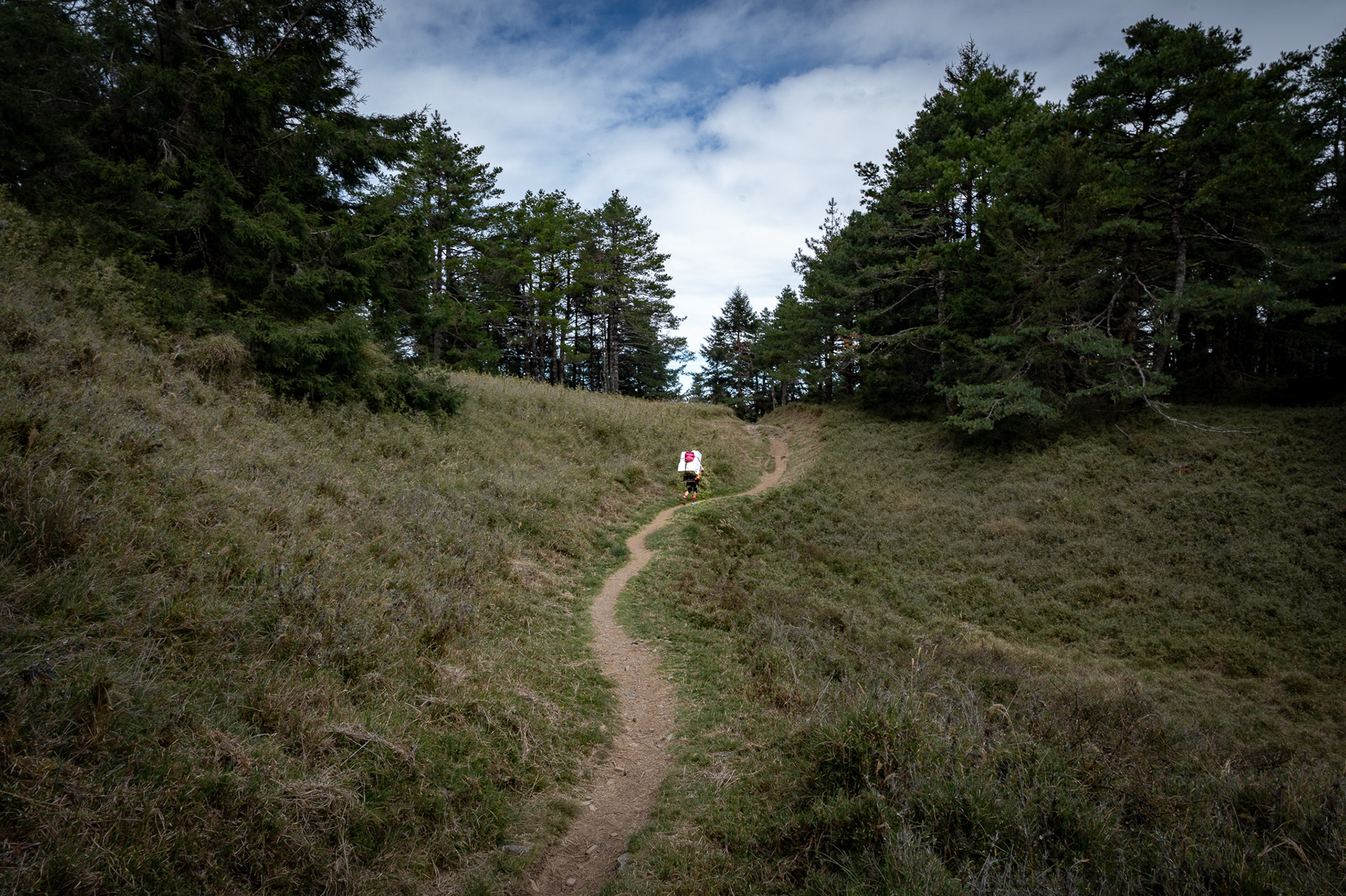
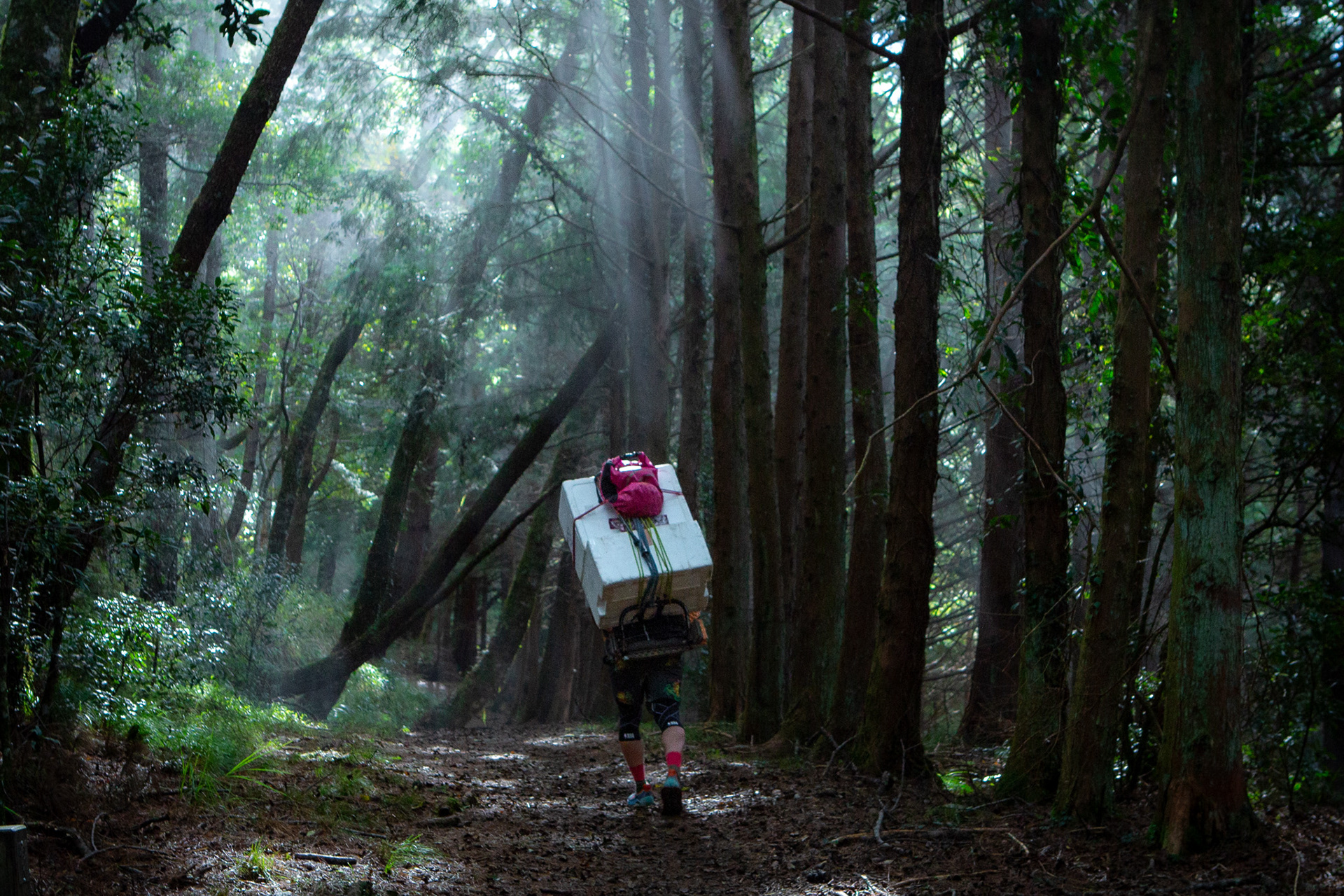
During the pandemic, border closures triggered an unprecedented surge in Taiwan’s mountain tourism, fueling a massive expansion across trekking coordinators, guides, and the broader outdoor industry. However, as international travel resumed and the craze faded, the industry was left in a state of hyper-competition, plagued by slashed prices and a cutthroat race to endlessly upgrade services.
Jiaming Lake, located on the eastern slopes of the Central Mountain Range, attracts over 40,000 visitors annually and serves as the economic artery of the eastern mountaineering industry. In contrast stands the more rugged "Jie-mao-si" route along the Southern Cross-Island Highway. Requiring no cabin permits but demanding that hikers camp in tents, it has become a fiercely contested battleground for commercial outfitters. On this single short route alone, four different companies have thrown themselves into the fray.
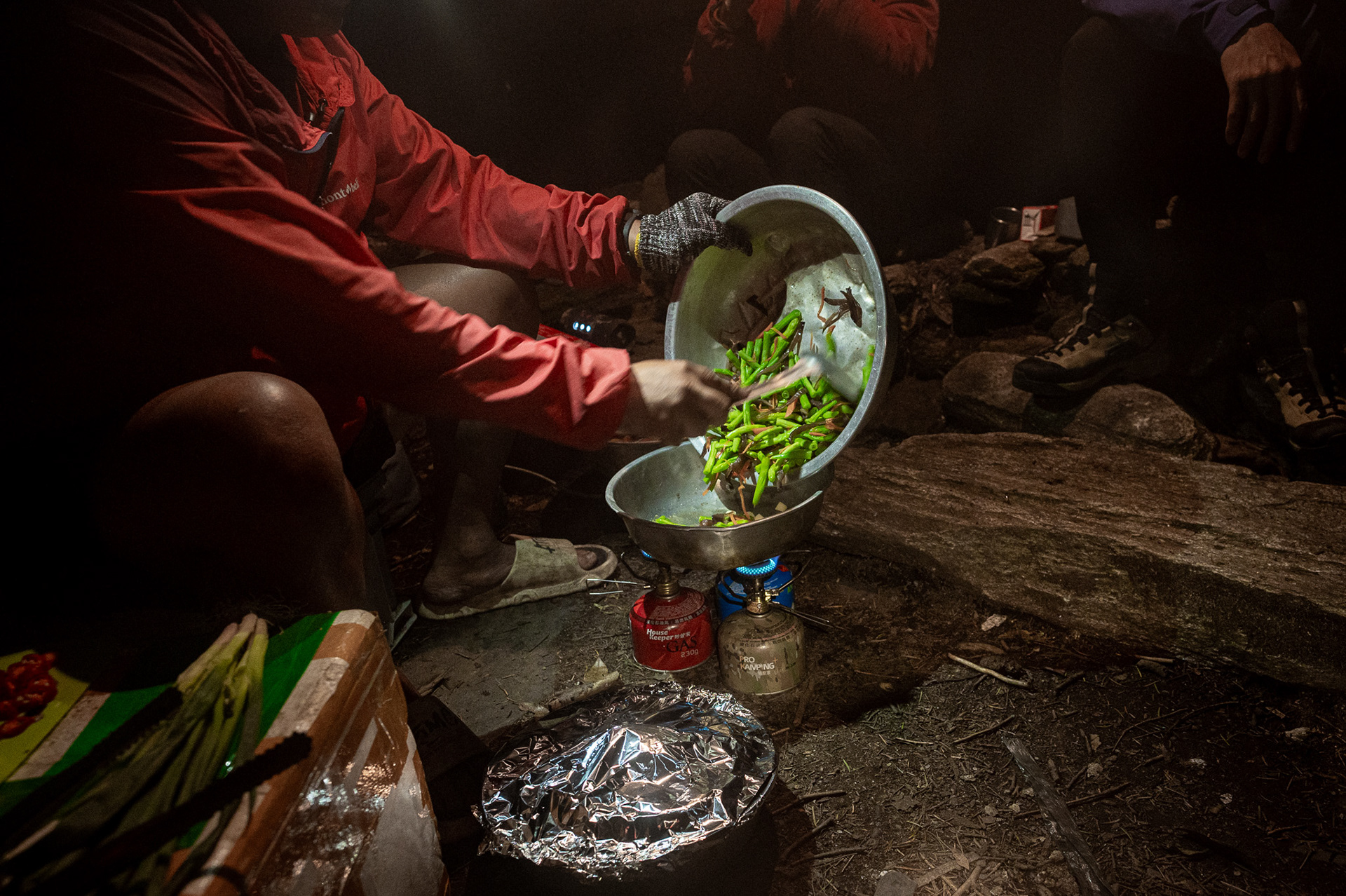
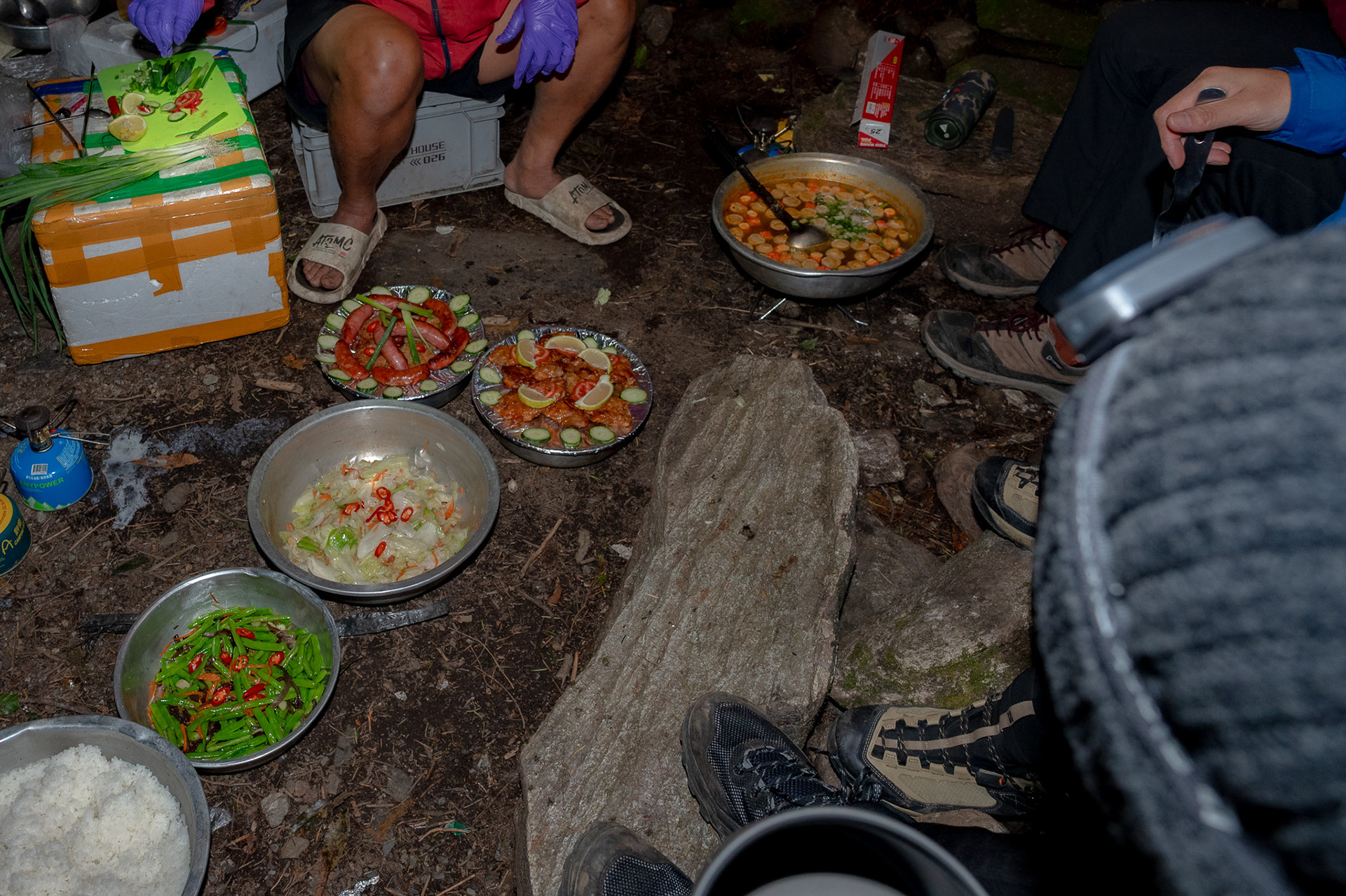
This rivalry goes far beyond pricing, extending all the way to meals and the overall backcountry experience. "Five dishes and a soup" has escalated to "six dishes and a soup," with afternoon tea, snacks, mini hotpots, and even teppanyaki steaks being hauled up onto the roof of Taiwan. What the porters and coordinators face is no longer just the volatility of weather and terrain, but the relentless pressure of ever-rising service standards.
疫情期間,國境封鎖,台灣山林迎來前所未有的熱潮,協作、嚮導、戶外產業全面擴張。但隨國外旅遊解封,熱潮退去,留下的卻是登山產業高度競爭、價格壓縮,以及對服務無限加碼的割喉戰。
中央山脈東側的嘉明湖,每年吸引超過四萬人次進入,是東部登山產業的核心動脈。與之相對的,是南橫公路旁更為原始的「戒茂斯」路線——不需抽山屋,但必須自背帳篷紮營,成為業者競逐的戰場。短短一條路線,卻有四家公司投入經營。
競爭不只在價格,而是一路延伸到餐食與體驗。五菜一湯變六菜一湯,下午茶、點心、小火鍋,甚至鐵板牛排,全被背上台灣屋脊。協作面對的,不只是天氣與地形,還有服務標準不斷被推高的壓力。
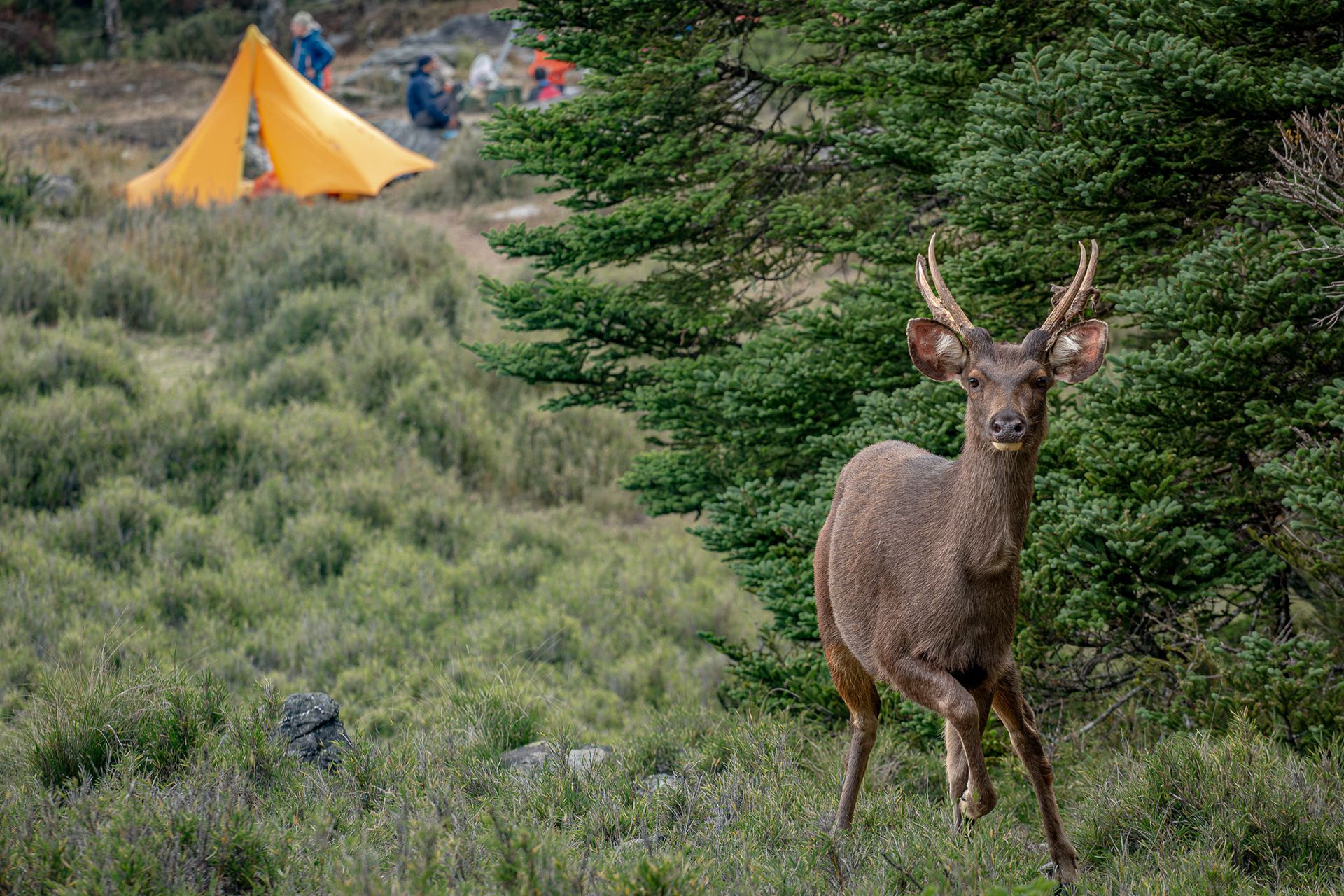
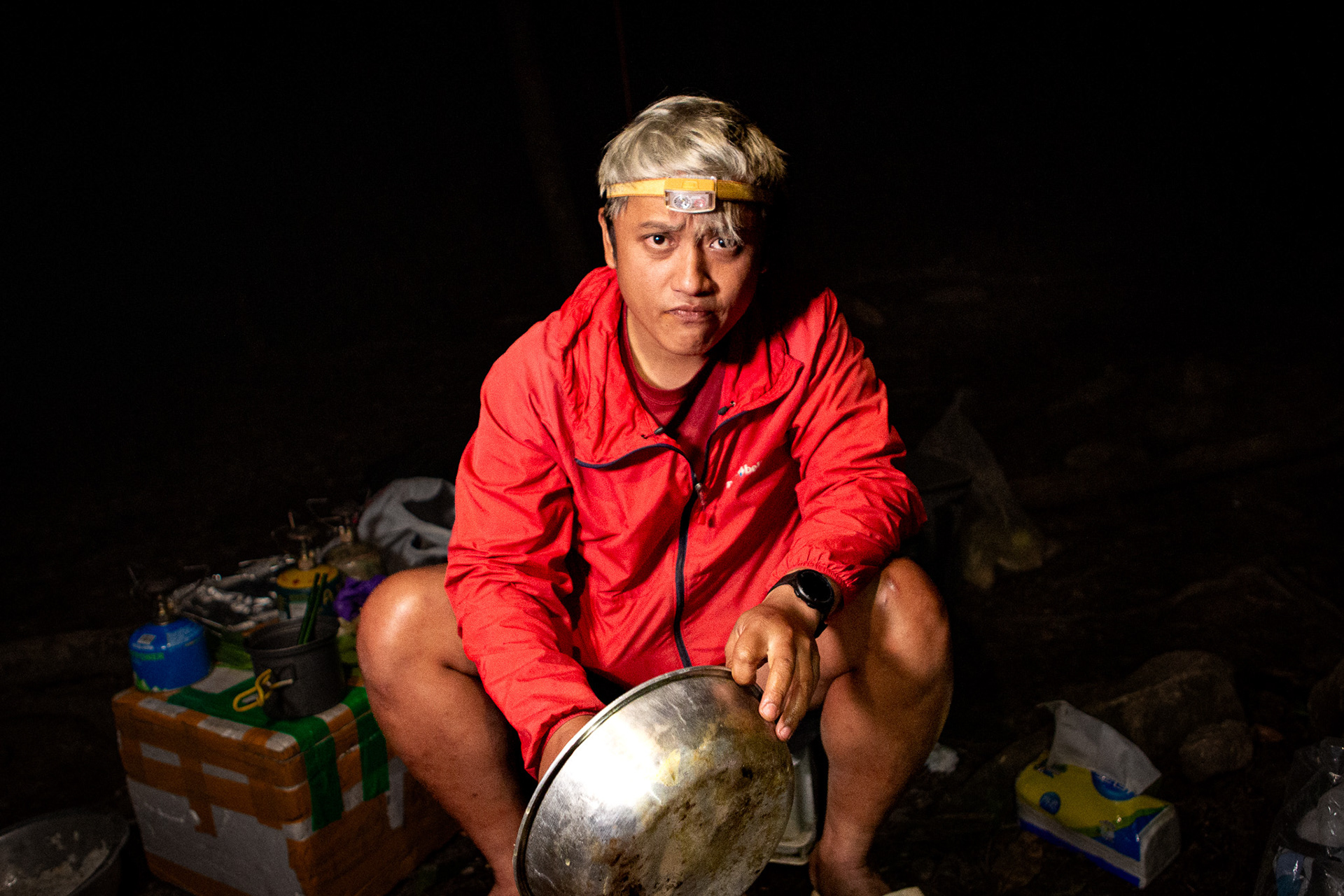
Hundiv (Yao-tsu Chiu) is a porter and coordinator from the Bunun community of Xinwu in Taitung. Humorous and engaging, he speaks with measured wit, his laughter often echoing through the campsites. After working in Taipei for a decade, Yao-tsu returned home during the pandemic when his father passed away. As an only child, he chose to step into the world of high-altitude mountain coordination. "There aren't many job opportunities in eastern Taiwan; most options are manual labor," he notes. While the work is grueling, he explains that it offers a relatively stable income and has opened up the possibility of starting his own business in the future.
He is well aware that this is a service industry it has nothing to do with whether one "loves the mountains."
Consequently, he packages the essential professional safety advice for managing mountain risks into casual, lighthearted reminders for his guests. While preparing afternoon tea, bustling about making dinner, and serving dishes, he reminds hikers to relieve themselves far away from water sources and to have their headlamps ready before dark. When handling the common mistakes made by novices, he replaces the rigid discipline of traditional mountaineering clubs with patience.
Hundiv (邱耀祖)是台東新武部落的一名協作,他幽默、健談,說話總點到為止,笑聲常在營地裡迴盪。耀祖曾在台北打拚十年,疫情期間父親過世,身為獨子的他選擇返鄉,踏入高山協作這條路。「東部工作機會不多,能選的大多是勞力活。」他說協作雖然辛苦,但收入相對穩定,也讓他看見未來創業的可能。
他很清楚,這是一門服務業,與「愛不愛山」無關。
於是,他把面對登山風險該有的專業提醒,包裝成對客人的輕鬆提醒。準備下午茶、忙著晚餐,一邊端菜,一邊提醒山友遠離水源如廁、天黑前備妥頭燈。那些新手常犯的錯,他用耐心取代過去登山隊的嚴厲紀律。
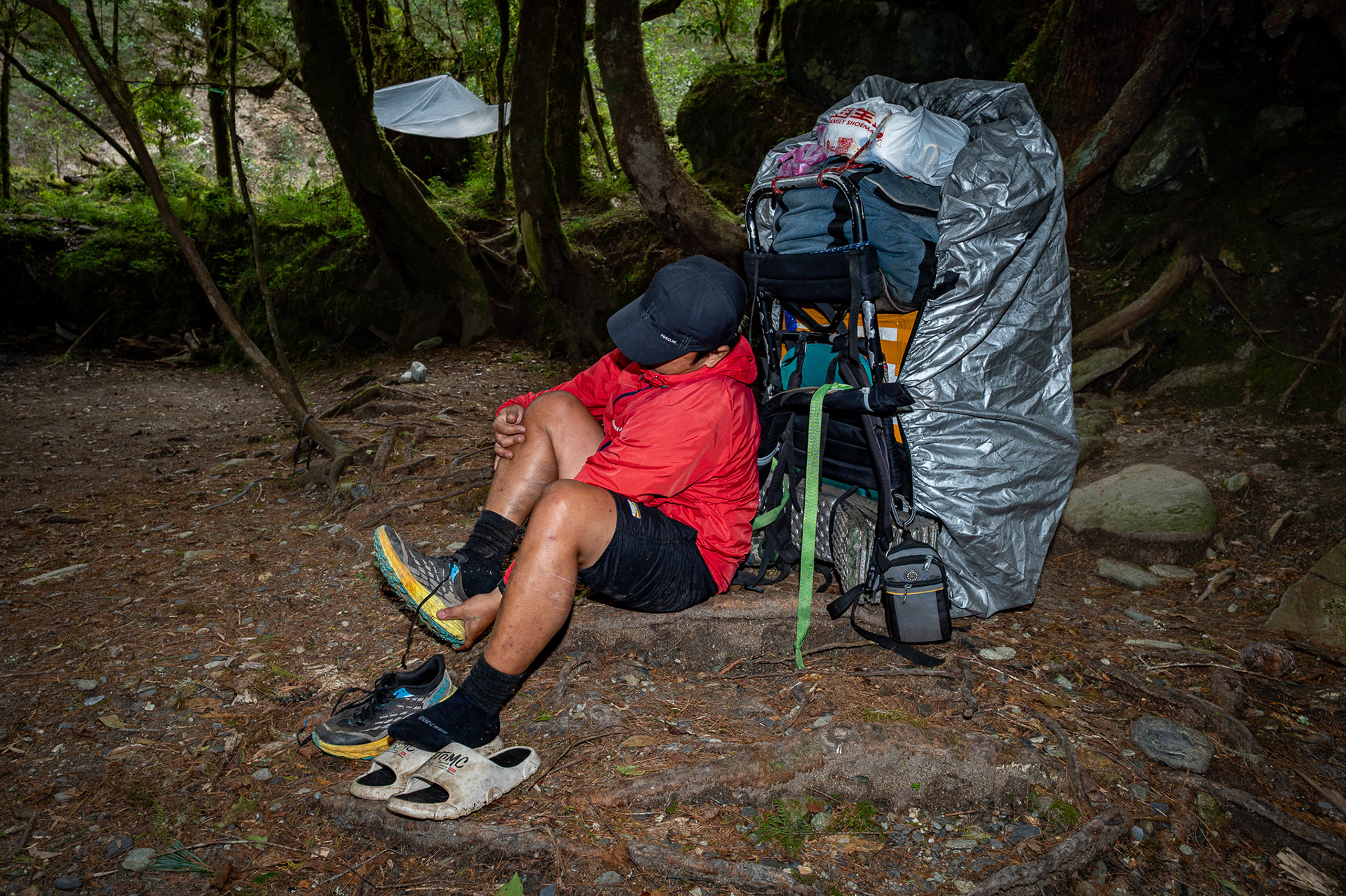
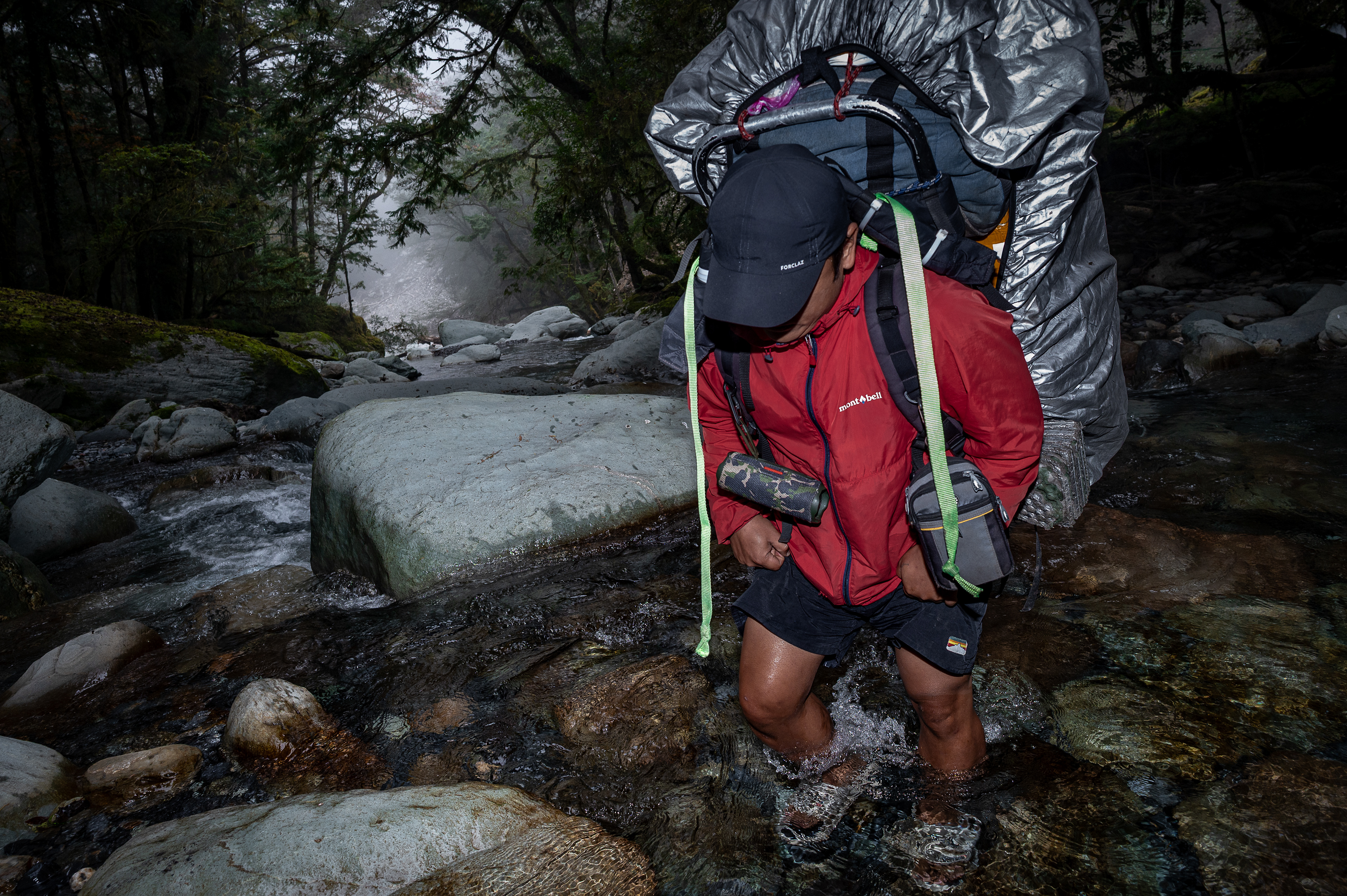
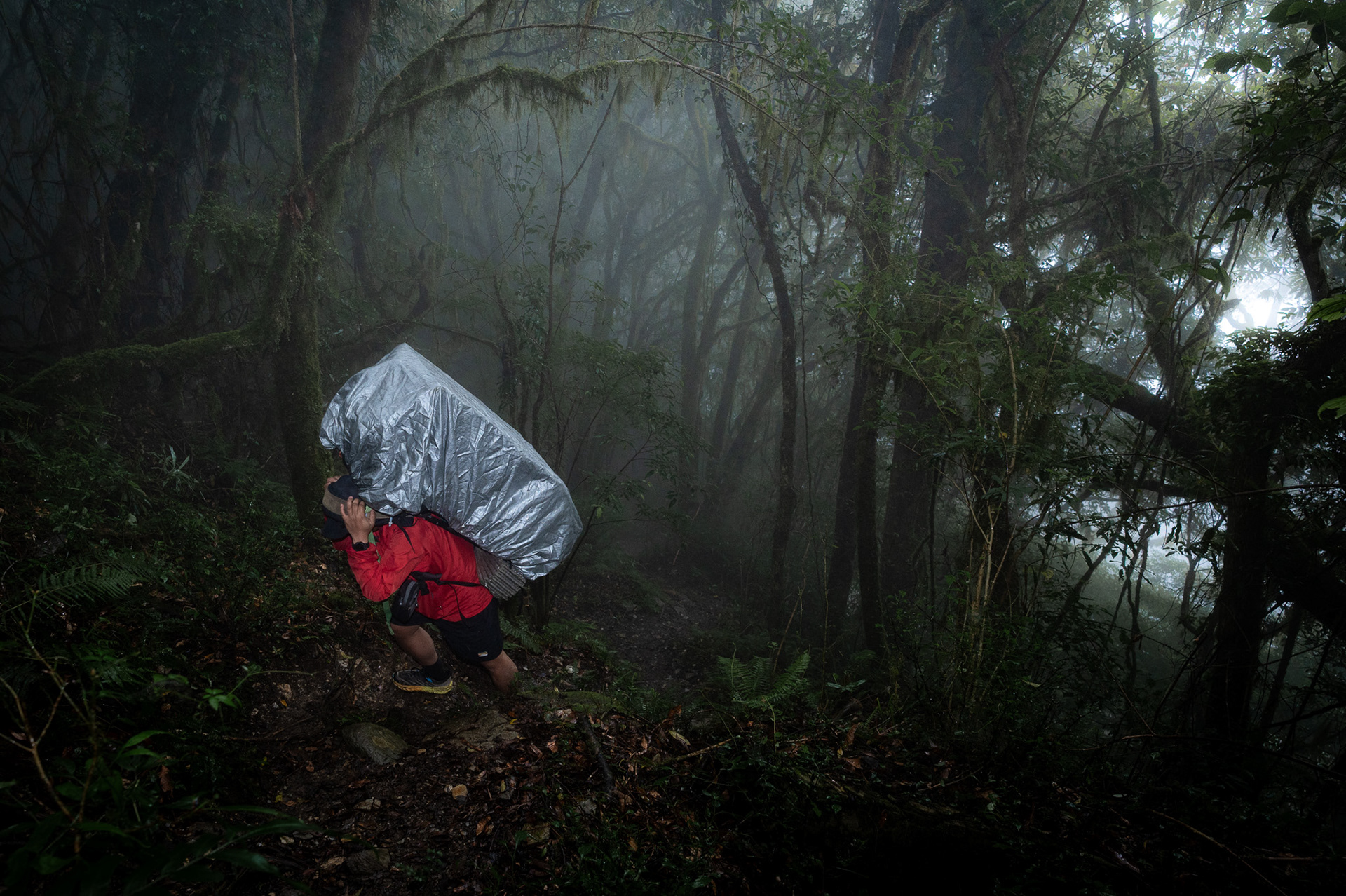
High-altitude porterage is by no means a newly emerged profession. Since the Qing Dynasty, plains-dwellers have hired Indigenous people to clear mountain trails and transport supplies. During the Japanese colonial period, alpine surveys relied heavily on mountain-dwelling ethnic groups, particularly the Bunun people. This historical backdrop forms the precursor to today’s professionalized coordination industry.
However, trapped within a labor structure that lacks institutional protections, porters and coordinators have been pushed to the absolute frontlines of commercial service, leaving behind critical risks that are often overlooked. The long-term health hazards of chronic heavy lifting, the inevitable safety risks born from a volatile mountain environment, and the stark imbalance between their responsibilities and institutional authority have rendered overall mountaineering safety increasingly fragile. Many porters endure prolonged periods of high-intensity load-bearing, leading to an exhaustion so profound that some resort to alcohol to numb the physical pain. Past instances of porters "abandoning" clients have also occurred, leaving hikers exposed to the risk of hypothermia without tents or sleeping bags overnight.
Whether it is Ah-San or Yao-tsu, what they shoulder on their backs is far more than just the food and alcohol for a leisurely trek; they carry the equipment vital to everyone’s survival, alongside the livelihoods of their own families. They should never be treated as a cost to be minimized, nor should they ever be viewed merely as another piece of gear on a mountaineering itinerary.
高山協作並非近年才出現的新職業。清代起,平地人雇用原住民入山開路、搬運物資;日治時期,高山調查高度依賴布農族等山區族群。這些歷史,構成今日協作職業化前身。
但在缺乏制度保障的勞動結構下,協作就被推向商業服務最前線,也留下許多常被忽視的風險。長期負重帶來的健康風險、變化多端的山林環境必然伴隨的安全風險,加上協作責任與權力的不對等,使整體登山安全變得更加脆弱。許多協作員長期高強度負重,讓人疲憊到靠酒精麻痺身體。過去也曾出現協作「丟包」情況,讓登山客陷入沒有帳篷、睡袋過夜的失溫風險。
無論是阿山或耀祖,他們雙肩扛起的,都不只是每趟山行享樂的食物酒水,還有攸關所有人生命安全的裝備,以及自身家人的溫飽。他們不該是可被壓縮的成本,更不能只被視為登山行程的一項配備。